
I’ve edited thousands of social media posts, whitepapers and eBooks,
email campaigns, website pages, screenplays, and elearning courses.
And without a doubt, there’s one singular problem they ALL suffer from.

I’ve edited thousands of social media posts, whitepapers and eBooks,
email campaigns, website pages, screenplays, and elearning courses.
And without a doubt, there’s one singular problem they ALL suffer from.

We know that ChatGPT can hallucinate content.
But it’s not just hallucinating the information it’s providing… it’s hallucinating the citations for that information.

It’s important to make eLearning content inclusive of and sensitive to all possible audiences.
But what do you do when you sense that your source SME materials might be suboptimal in this regard?
I worked with Mike for several months to help organize, structure, and edit his decades of experience and anecdotes into this powerful volume. It was a tremendously rewarding project, I learned a ton, and I’m super proud of the result.

Most arguments, and many conversations, are not really about the subject at hand. That’s what subtext is all about. Writing dialogue that in fact reflects the true nature of the dynamic between characters is (almost without fail) suboptimal.

I’d been writing training scripts that teach educators how to better provide for at-risk students when the client let me know that they’d be using AI to read the voiceover.
“Oh no,” I thought. “That’s going to be a problem.”

Several years ago I worked with CareAcademy to create a dementia care curriculum. My job was to work with their ID and SMEs to write scripts for narrators and actors that demonstrated best practices through scenario-based lessons.
I’m excited to share that OMCP has now been acquired by the National Institute for Social Media (NISM).
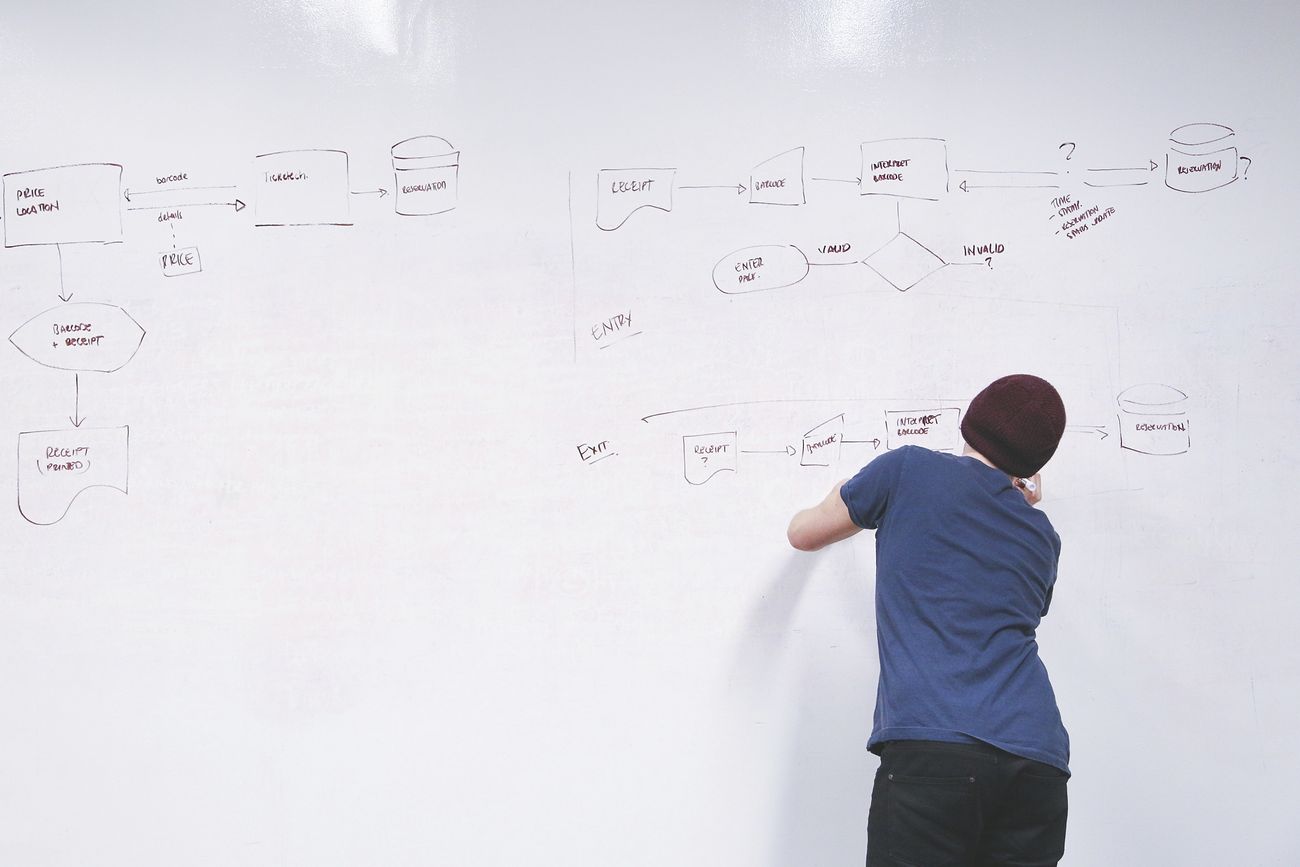
Really excited to be working with a serial tech CEO to help craft a new non-fiction book. We’ll be outlining the many lessons and best practices they’ve gleaned over the years.

The Objective Brand is a brand and design consultancy that mostly works with finance-related businesses to create content and assets that convert.

 Chip Street - Writey Guy