Sometimes, a “no” is the best deliverable.
I was approached by a client who was finishing up a non-fiction book. He had a very short deadline — ten days — to get the manuscript to his publisher. And he was up against the wall.
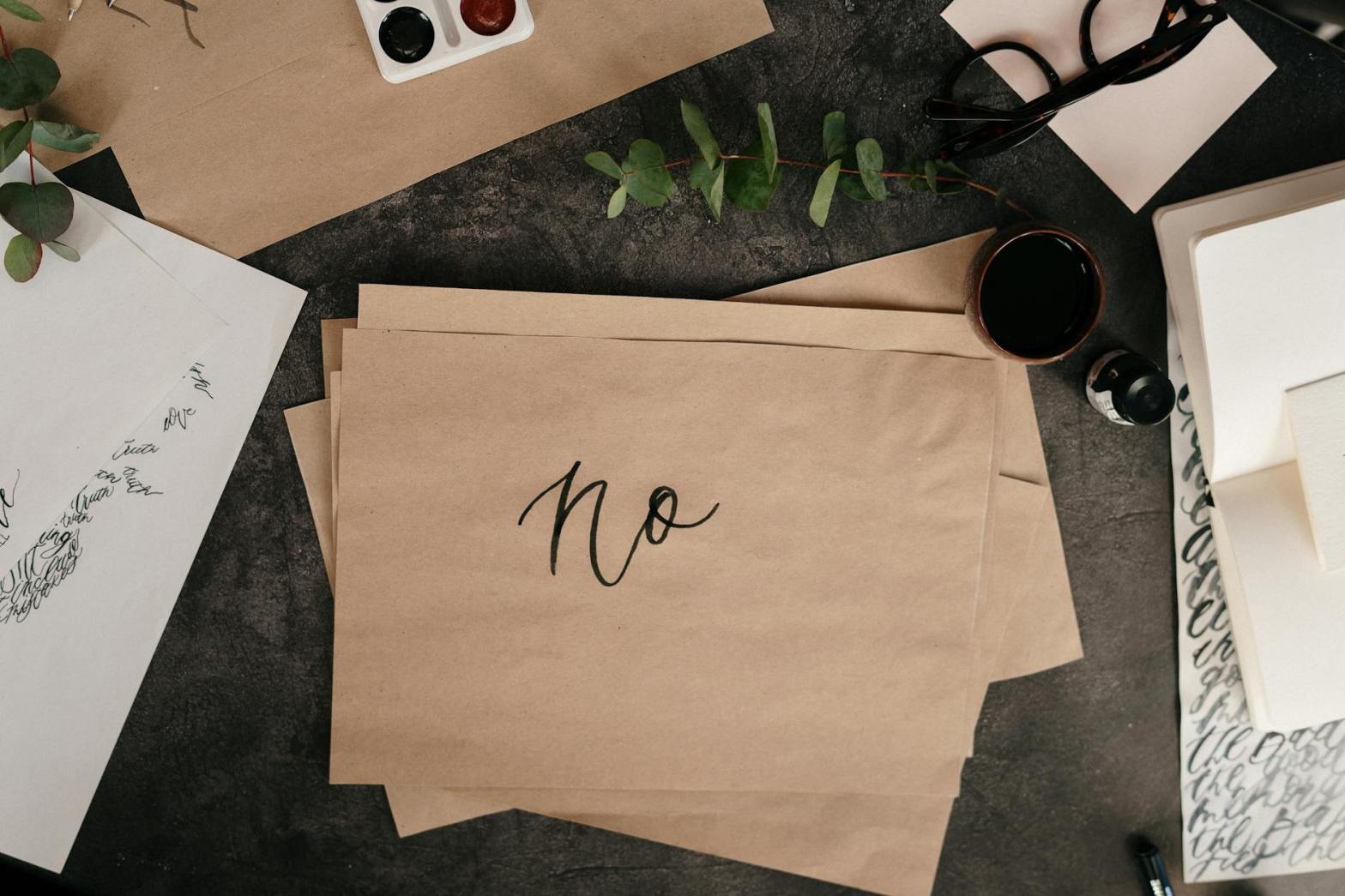
Sometimes, a “no” is the best deliverable.
I was approached by a client who was finishing up a non-fiction book. He had a very short deadline — ten days — to get the manuscript to his publisher. And he was up against the wall.

I’ve spent the last few months helping a new overseas client create a custom interactive teaching app for kids.
I’ll use whatever assets you’ve got to work with, and we’ll have a conversation (or two) to discuss your story, themes, concepts, and ideas before writing gets started. Here’s what that process looks like:

It’s important to make eLearning content inclusive of and sensitive to all possible audiences.
But what do you do when you sense that your source SME materials might be suboptimal in this regard?

I’d been writing training scripts that teach educators how to better provide for at-risk students when the client let me know that they’d be using AI to read the voiceover.
“Oh no,” I thought. “That’s going to be a problem.”

 Chip Street - Writey Guy